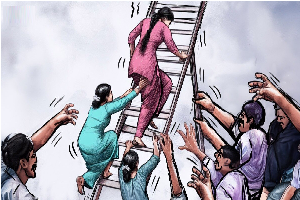
TEAM SELECTION OR GAME OF MUSICAL CHAIRS
20 Oct 2026
Shivaji Sarkar

New Delhi I Tuesday I August 18, 2026
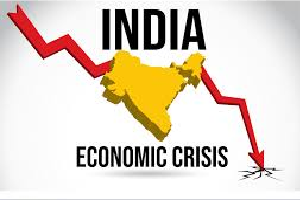
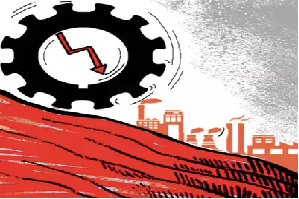
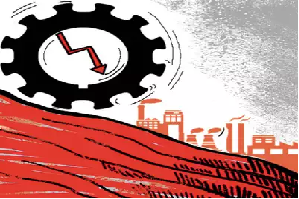
The sanctified cockroaches—an epithet once given by a tall member of the judiciary—appear to be rocking the country’s systems as a deep unemployment and disguised-employment crisis engulfs India.
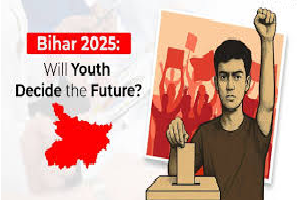
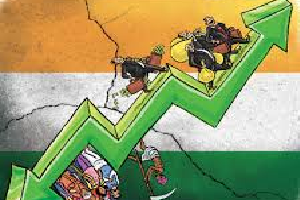
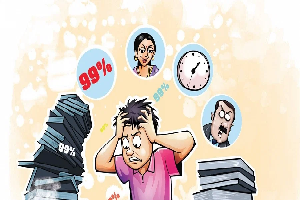
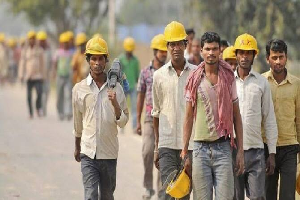
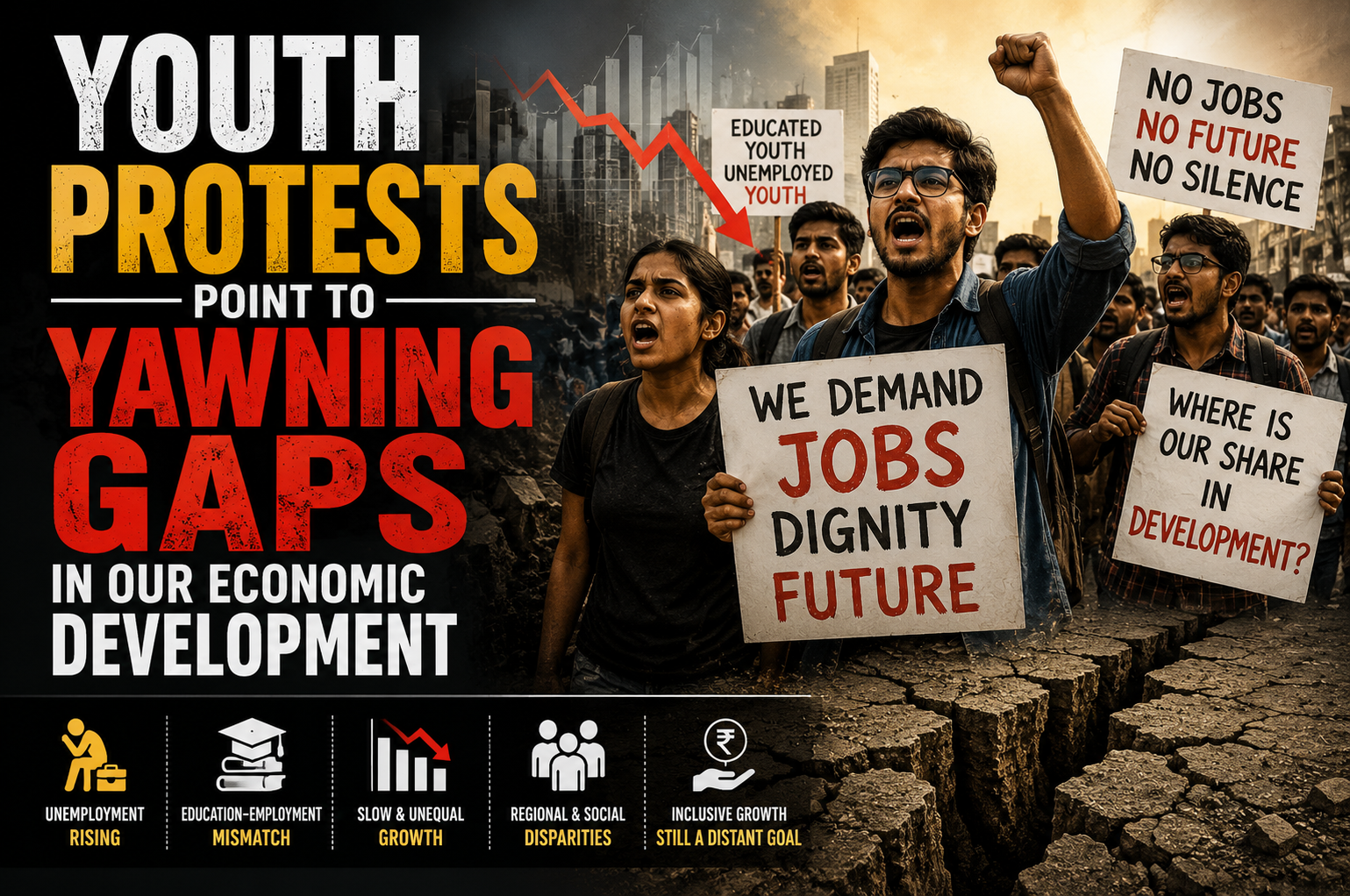
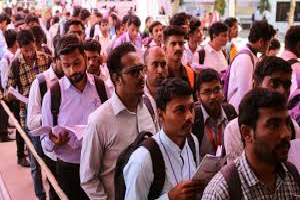
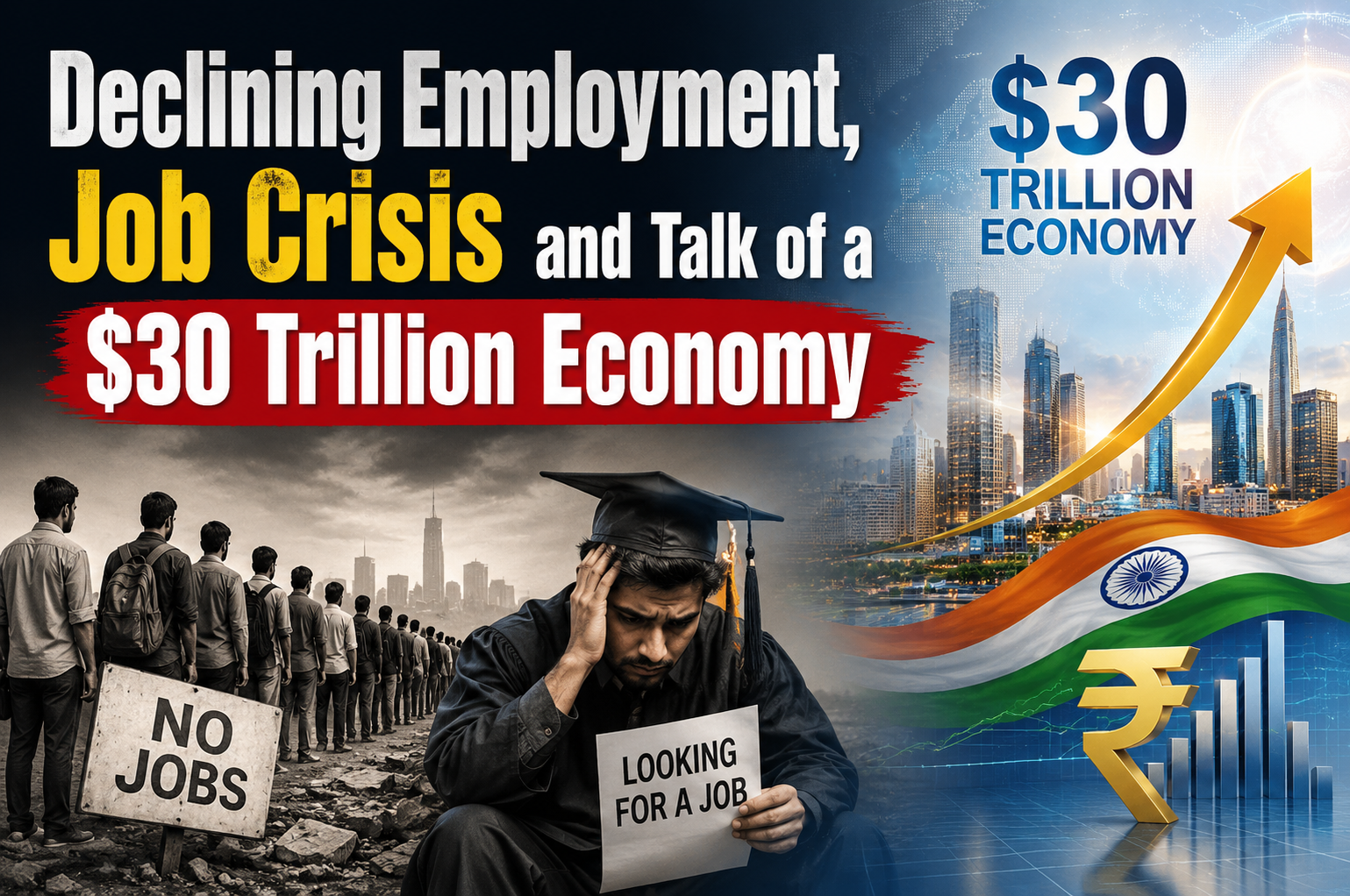
While the Periodic Labour Force Survey (PLFS) 2023–24 puts overall unemployment at around 3 per cent, it reveals a much deeper crisis among the young. Gen Z faces an unemployment rate of 11.9 per cent, exposing the widening gap between rapid economic growth and the creation of stable, productive jobs. India’s much-vaunted demographic dividend is therefore under strain, compounded by uncertain forms of employment, including short-term defence schemes such as Agniveer.
The challenge is particularly acute among educated young people. Graduate unemployment stands at 29 per cent among young men and 36.9 per cent among young women, highlighting the economy’s limited capacity to absorb an increasingly educated workforce.
The Economic Survey 2025–26 has also warned of the growing vulnerability of gig work, with casualisation of employment rising sharply between FY21 and FY25. Gig workers, paid per task rather than through regular salaries and often without adequate social security, face punishing work pressures while bearing much of the economic risk.
India may be creating more work, but increasingly at the cost of job security and dignity.
The problem, therefore, is not simply a shortage of jobs but a shortage of stable, productive and formal employment. India needs to move beyond a model of growth that expands output without generating enough jobs. Labour-intensive manufacturing, industry-oriented skills, stronger links between education and employment, and a significant expansion of formal-sector opportunities are essential.
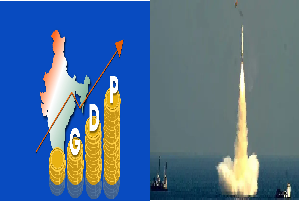
$30 Trillion by 2047: Target or Escape?
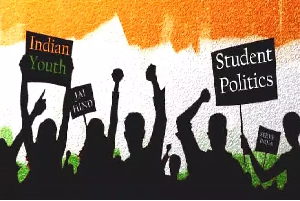
Generation Z, generally defined as those born between 1997 and 2012, represents a large and increasingly important segment of India’s working-age population. PLFS 2023–24 data indicate an estimated 29.94 crore Gen Z individuals in India’s labour market.
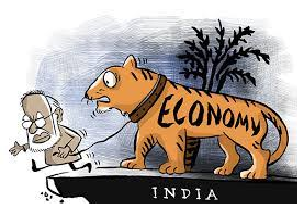
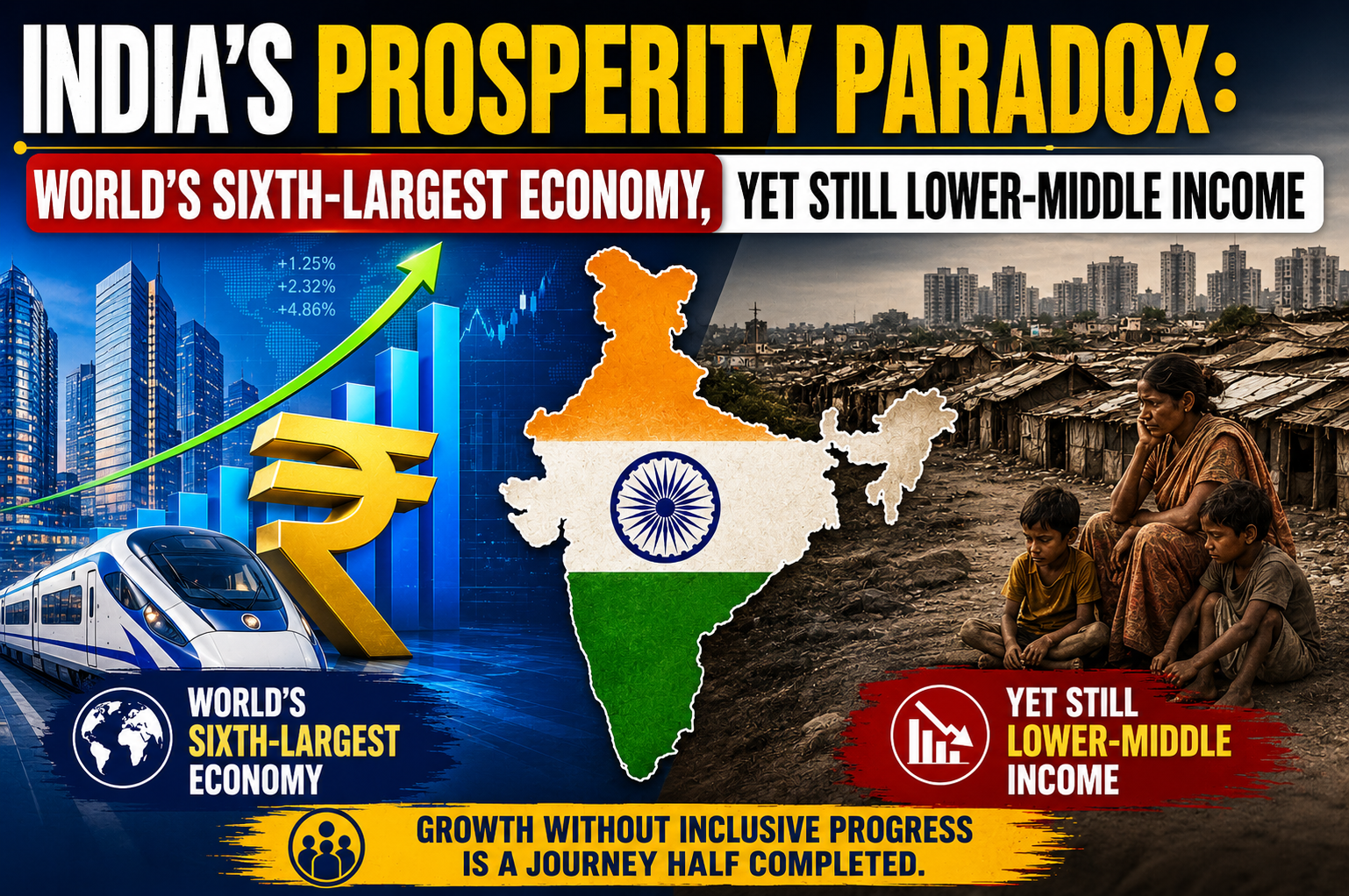
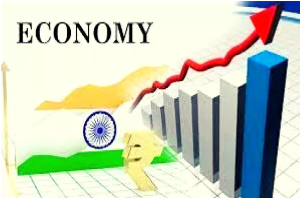
This generation lies at the heart of India’s demographic opportunity. With the country seeking to become a $30-trillion economy by 2047, its ability to convert a young population into a skilled and productive workforce will be decisive.
But is such a distant target practical? Why not 2030, or at least a nearer milestone? Most of those making today’s promises—and even many members of Gen Z—will not be around in 2047. By the time the target is judged, the political and economic circumstances may have changed beyond recognition.
Is setting a target so far into the future not an escapist idea—a promise virtually in the mists of time? Or is it a way of camouflaging the risk that India’s demographic dividend could turn into a demographic burden?
The fundamental question remains: Can rapid economic growth generate enough decent and productive employment?
Company Profits, Workers Bear the Risk
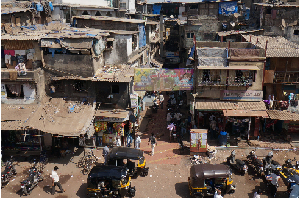
India’s gig economy is expanding rapidly as a large young workforce confronts a shortage of formal, salaried jobs. Low entry barriers, flexible hours and quick payments create the impression that gig work is attractive. Digital aggregator-contractors and their sub-contractors can expand business rapidly while avoiding many of the costs associated with permanent employment.
The model, however, shifts much of the business risk from companies to workers. Fuel, vehicle maintenance, fluctuating demand and income insecurity are largely borne by the worker, often without adequate social security. Companies gain scale and lower costs, while workers lose bargaining power and stable incomes.
Casualisation thus creates the illusion of employment while becoming a euphemism for insecurity.
For India’s ambition of becoming a $30-trillion economy, Gen Z cannot remain either unemployed or trapped in a precarious informal economy with low productivity.
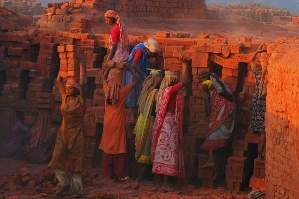
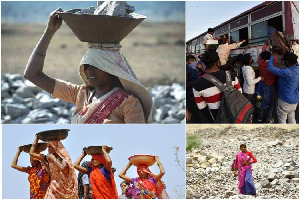
The massive expenditure on construction and infrastructure—including railways, roads and demolition and reconstruction of buildings—may generate business and profits. But how much of this translates into secure, well-paid employment for workers? This question deserves far greater attention.
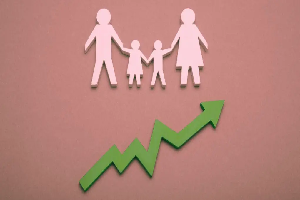
If India fails to create enough productive jobs as its working-age population peaks around 2030, the demographic dividend could gradually become a demographic burden, leaving a larger ageing population with inadequate income and social security by 2055.
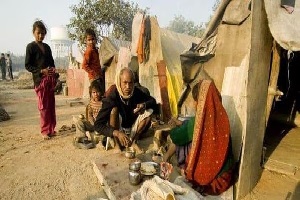
The problem is compounded by low wages and underemployment. Nearly one in four casual workers reportedly earns below the statutory minimum wage, while many educated and skilled young people remain trapped in insecure or low-paying work. India’s recovery also risks becoming increasingly K-shaped, with wealth and capital gains concentrated at the top while vulnerable sections, including SCs, STs and OBCs, remain heavily dependent on casual and informal employment.
The Ire and Distress
The employment crisis is placing growing pressure on household finances. Families spend heavily on higher education in the hope of securing better jobs. When education fails to translate into employment, these investments become a financial burden, weakening household savings and, consequently, domestic consumption.
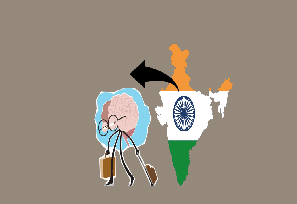
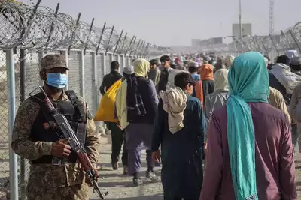
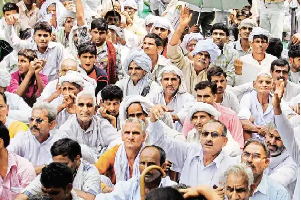
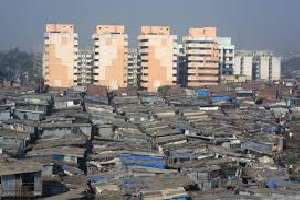
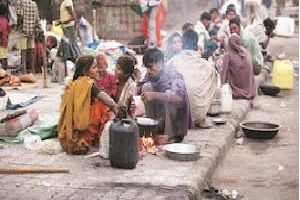
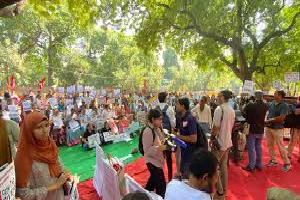
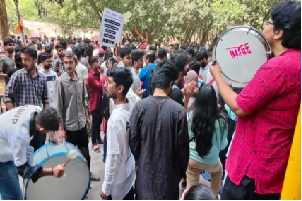
Persistent youth unemployment can also fuel distress migration, overcrowded urban settlements and social tensions. A large pool of educated but idle young people can become a source of social and industrial unrest.
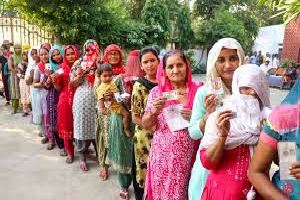
The burden is particularly severe for women. Urban female Gen Z unemployment is estimated at 22.6 per cent, while more than 27 per cent remain confined exclusively to domestic duties, keeping a substantial part of India’s potential workforce outside productive economic activity.
Although the female labour force participation rate rose to 41.7 per cent in 2023–24, women continue to face barriers such as childcare responsibilities, limited mobility, workplace safety concerns and inadequate employment opportunities.
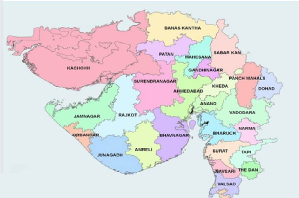
Employment opportunities also vary sharply across states, with unemployment reportedly ranging from 8.3 per cent in Goa to just 0.9 per cent in Gujarat, reflecting wide differences in industrialisation, investment, infrastructure and labour-absorption capacity.
The central challenge, therefore, is not merely to create more jobs but to generate enough decent, productive, stable and formal employment to prevent an entire generation from becoming unemployed, underemployed and insecure workers.
If India wants to realise its demographic dividend rather than squander it, the employment target must be brought much closer than 2047. Education must be aligned with dynamic labour-market demands, and Gen Z must be moved from informal precarity towards secure, high-quality and technology-resilient formal employment.
Will India make that transition—or will the $30-trillion dream remain a pipedream?