TEAM SELECTION OR GAME OF MUSICAL CHAIRS
20 Oct 2026
New Delhi I Sunday I June 14, 2026
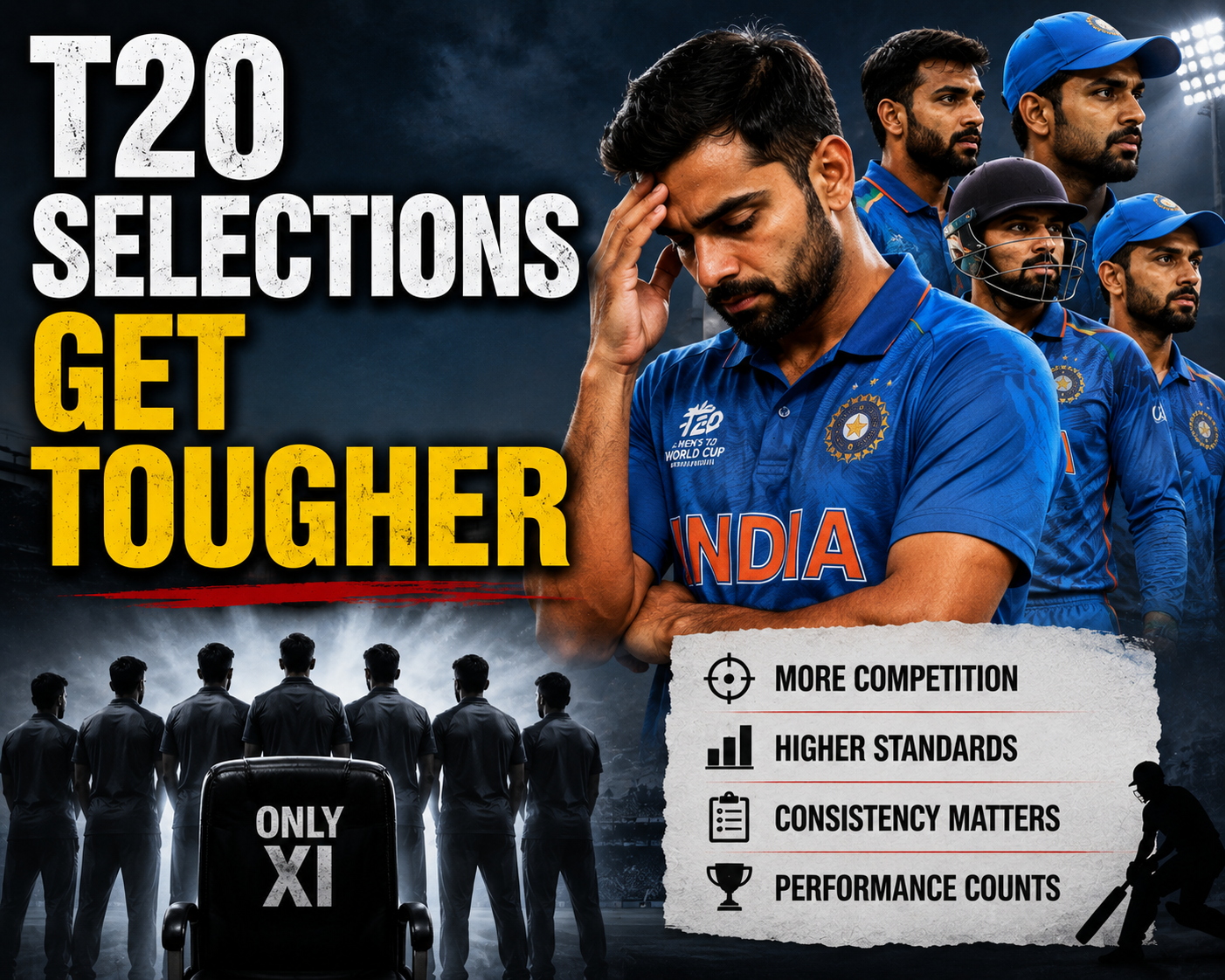
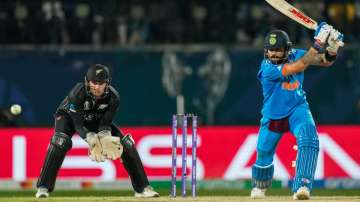
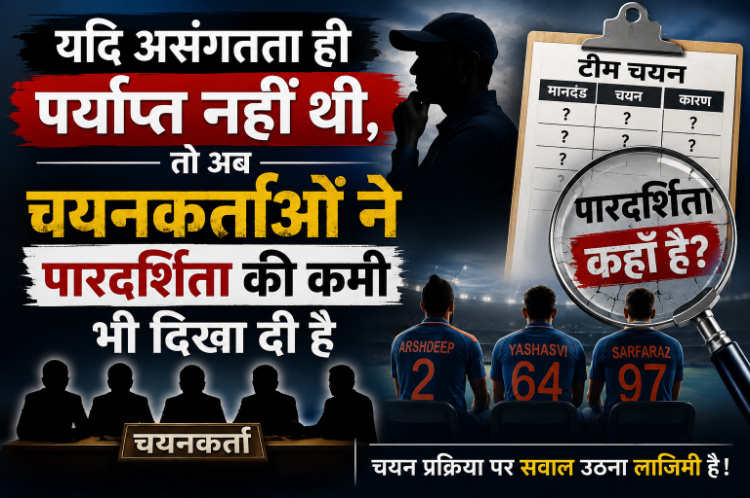
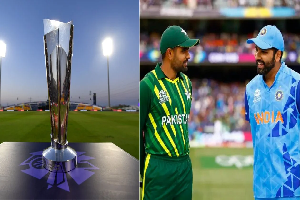
India's T20 squad for the forthcoming tour of Ireland and England has once again raised serious questions about the consistency and logic of the national selectors. Selection debates are a part of cricket everywhere, but what is troubling in the Indian context is the apparent absence of a coherent philosophy. Decisions seem to change from series to series, often contradicting the very rationale used earlier.
The latest squad announcement is a classic example.
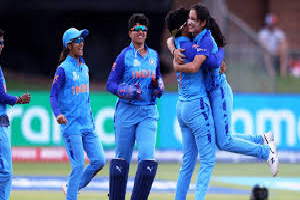
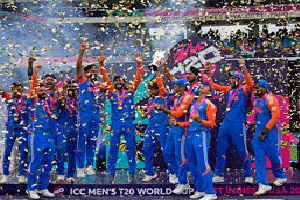
Consider the core of the squad that won the T20 World Cup barely three months ago: Suryakumar Yadav (captain), Axar Patel (vice-captain), Abhishek Sharma, Sanju Samson, Tilak Varma, Hardik Pandya, Rinku Singh, Jasprit Bumrah, Mohammed Siraj, Arshdeep Singh, Kuldeep Yadav, Varun Chakaravarthy and Washington Sundar. One would have expected only minor adjustments to a champion side. Instead, there has been a substantial reshuffle, with little explanation.
The most controversial decision concerns captaincy. Suryakumar Yadav has been removed as captain despite leading India to a World Cup triumph and maintaining an unbeaten record as T20 captain since taking over in 2024. The justification appears to be his recent batting form and the need to prepare for the next World Cup.
There is no denying that Suryakumar's batting returns have dipped. Yet even in the World Cup, he produced important contributions under pressure. His unbeaten 84 against the USA rescued India from a precarious position and guided the team to a winning total. He also played a valuable supporting innings against Pakistan. More importantly, captaincy and batting form are not always inseparable. A player who has delivered results as a leader deserves a fair opportunity to regain form, especially after winning a global title.
A more balanced approach would have been to retain him for this tour while making it clear that continued poor form could force a leadership review. Such transparency is common in professional sport. Unfortunately, Indian cricket's decision-makers seem increasingly reluctant to have candid conversations with senior players.
We saw similar uncertainty in the handling of Rohit Sharma after India's Champions Trophy success. Questions have also lingered over the management of Virat Kohli and Mohammed Shami. Great players who have given years of service deserve honesty and clarity, even when difficult decisions have to be made.
Equally puzzling is the treatment of Axar Patel. When the selectors removed Shubman Gill from the vice-captaincy, they elevated Axar to the role. Now, without any apparent justification, he has been stripped of that responsibility as well.
Unlike Suryakumar, poor performance cannot be cited as the reason. Axar was among India's leading wicket-takers during the World Cup and continued to play a vital role as an all-rounder. If the selectors genuinely believed leadership succession was important, logic dictated that the vice-captain should have been the natural successor once the captain was removed.
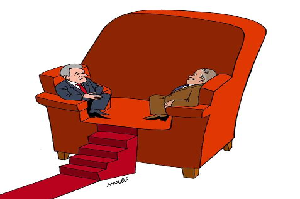
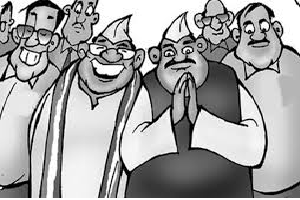
Instead, the captaincy has gone to Shreyas Iyer, a player who was not even part of India's World Cup T20 squad three months ago. Iyer is an accomplished cricketer and may well prove an excellent captain, but the abrupt change highlights the selectors' inconsistent approach. To compound the confusion, Tilak Varma has now been named vice-captain. The leadership hierarchy appears to be changing almost at random, creating the impression of a game of musical chairs rather than a carefully planned transition.
The selectors have also missed an opportunity to use the Ireland leg of the tour to blood promising youngsters before fielding a stronger combination in England. Tours such as these are ideal for experimentation, yet the squad composition suggests neither a clear developmental strategy nor a settled first-choice team.
Some individual selections are equally difficult to understand.
Why, for instance, is Jasprit Bumrah being rested in England of all places? England's conditions traditionally assist seam bowling and provide valuable preparation for major tournaments. The tour consists of only five T20 internationals, and there is a substantial gap before India's next major assignment. The workload argument appears unconvincing.
Then there is the case of Harshit Rana. He returns despite not having played competitive cricket since his injury, while Mohammed Shami has repeatedly been asked to prove his fitness through domestic cricket and rehabilitation programmes. Different standards appear to be applied to different players.
The omission of Hardik Pandya also raises questions. If he is unavailable due to injury, the selectors should say so. If not, leaving out a player who played a pivotal role in India's World Cup triumph requires a convincing explanation. In his absence, Nitish Kumar Reddy would have appeared a logical replacement.
Kuldeep Yadav's exclusion is another surprise. In his lone World Cup appearance against Pakistan, he delivered an outstanding spell, conceding just 14 runs and taking a wicket in three overs. Such performances hardly justify immediate omission.
Rinku Singh finds himself in a similar position. While he did not produce spectacular numbers in the World Cup, he was given limited opportunities. Indian cricket has often shown patience with established players. Virat Kohli endured a prolonged lean phase before producing a decisive innings in a World Cup final. Abhishek Sharma was also backed despite inconsistency before eventually delivering when it mattered most. Why, then, is patience unavailable to younger players like Rinku?
The squad composition itself appears unbalanced. The top five batting positions are likely to be occupied by Abhishek Sharma, Sanju Samson, Ishan Kishan, Shreyas Iyer and Tilak Varma. Vaibhav Suryavanshi is essentially an opener. If a middle-order batter loses form or suffers an injury, there is no specialist backup available. Squad building should be about covering contingencies, not merely rewarding recent performances.
The spin department presents another example of questionable planning. Given the pace-friendly conditions in Ireland and England, India is unlikely to field more than two specialist spinners in the playing XI. Varun Chakaravarthy and Axar Patel appear automatic selections, while Washington Sundar offers the added advantage of off-spin variety and batting depth. Carrying a fourth spinner seems excessive when the squad lacks middle-order cover.
In fact, only a couple of changes were necessary to the World Cup-winning combination. One spinner could have been omitted, creating room for Shreyas Iyer as additional middle-order insurance. Rinku Singh could have been retained. If the selectors were keen to expose Vaibhav Suryavanshi to international cricket, the 16th squad position was available for precisely that purpose.
Indian cricket is blessed with extraordinary white-ball talent. That depth often masks selection errors because the team continues to win despite questionable decisions. Yet that should not become an excuse for inconsistency. Careers are shaped, delayed or derailed by selection choices. Players deserve transparency, and fans deserve to understand the principles guiding those choices.
At present, the selectors appear to be operating without a clear and consistent framework. Until that changes, controversy will continue to overshadow selection meetings, even when India keeps winning on the field.
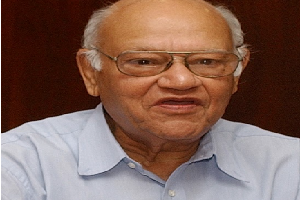
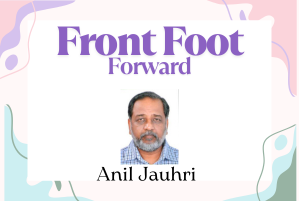
Anil Jauhri, a corporate trainer and international authority on standardisation, has been an avid follower of cricket since his college days.
=======