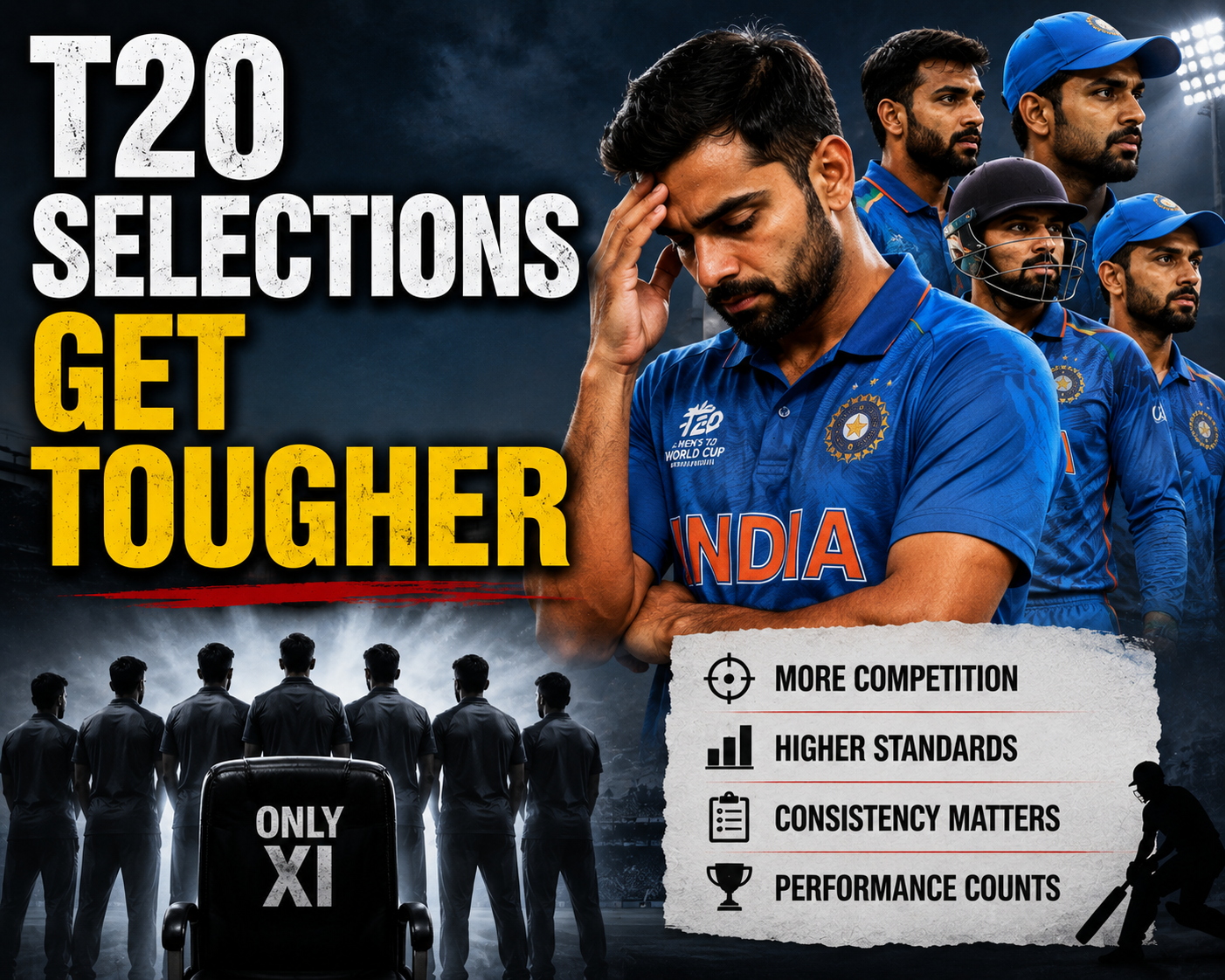
TEAM SELECTION OR GAME OF MUSICAL CHAIRS
20 Oct 2026

For years, Indian cricket enjoyed a luxury few nations possessed: an abundance of talent so deep that even questionable selection decisions rarely proved costly. If one player failed, another emerged. If a combination looked unbalanced, individual brilliance often covered the cracks. India won often enough for selectors to avoid serious scrutiny.
That cushion appears to have disappeared.
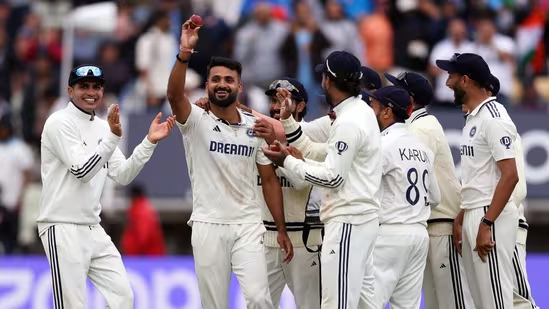
India's unexpected setback in Ireland, followed by a disappointing campaign in England, has exposed an uncomfortable truth. Selection inconsistencies once hidden by results are now catching up with the team.
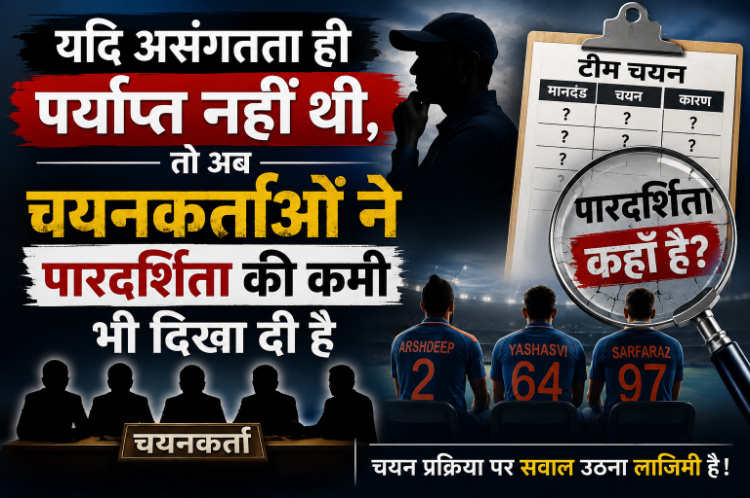
Defeat in sport is inevitable. Even the best teams lose. What should concern Indian cricket is the growing perception that there is neither a clear selection philosophy nor consistency in applying whatever philosophy exists.
When a selection committee comprises former international cricketers with extensive experience of overseas conditions and works alongside an equally experienced team management, decisions are expected to be based on more than recent numbers on a scorecard.
Conditions matter.
Opposition matters.
Past performances in similar circumstances matter.
Most importantly, identifying players best suited to specific challenges is precisely why selectors exist.
English conditions bear little resemblance to those in the subcontinent. Batting on flat Indian pitches and batting under cloudy English skies with the ball moving around are entirely different assignments demanding different skills and temperaments.
India had toured England only last summer for a Test series. The format may have differed, but the conditions had not.
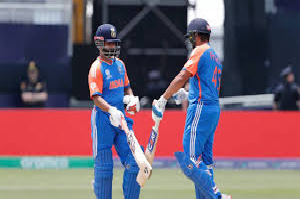
India's leading run-scorers on that tour included Shubman Gill, KL Rahul, Yashasvi Jaiswal, Ravindra Jadeja and Rishabh Pant. With the exception of Jadeja, who has retired from T20 internationals, all possessed both the quality and experience to contribute in the shortest format.
Pant admittedly endured a disappointing IPL season, but Gill, Rahul and Jaiswal performed well and, more importantly, had already demonstrated their ability to succeed in English conditions.
Should those factors have carried greater weight in selection discussions? It is difficult to argue otherwise.
Selection cannot become an exercise in spreadsheet management. If statistics alone were enough, technology could complete the task in minutes. The value of experienced selectors lies in judgement — the ability to interpret numbers rather than merely read them.
Instead, there was a strong impression that performances on Indian pitches during the IPL and the World Cup carried disproportionate influence despite the vastly different conditions awaiting the team overseas.
The same questions apply to the bowling attack.
During India's previous visit to England, the leading wicket-takers were Mohammed Siraj, Jasprit Bumrah and Prasidh Krishna. Yet two of those three were absent from the T20 squad.
Bumrah's absence was attributed to workload management. That is understandable in principle, but it inevitably raises questions when a player can complete a demanding IPL season yet miss a short international series in England.
Siraj's omission, meanwhile, was never adequately explained.
Equally puzzling was the treatment of Kuldeep Yadav, who impressed during his World Cup opportunity against Pakistan only to find himself sidelined soon afterwards.
Consistency is vital not only for public confidence but also for players. Nothing undermines confidence faster than uncertainty over selection criteria.
The biggest surprise, however, was the leadership change.
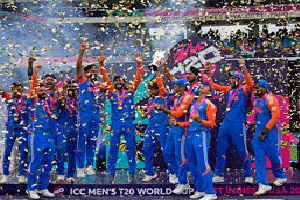
Replacing a World Cup-winning captain with a player who had not featured in the World Cup squad only months earlier was always likely to invite debate. Leadership changes can be justified, but they require clarity of purpose and effective communication. Neither appeared evident.
The confusion did not end there.
Even before the England series had concluded, the squad for Zimbabwe had already been announced. One struggles to understand the urgency.
Players still involved in an ongoing international assignment suddenly discovered they had been left out of the next tour, forcing them to deal with disappointment while preparing for important matches still to be played.
Among those omitted was Sanju Samson, one of India's heroes during the World Cup triumph only months earlier and now absent even from the squad of fifteen.
Others left out included Axar Patel, Ravi Bishnoi, Harshit Rana, Prasidh Krishna, Arshdeep Singh and Washington Sundar.
There is nothing wrong with exposing young players to international cricket against teams such as Ireland or Zimbabwe. On the contrary, such tours provide ideal opportunities for experimentation.
But experimentation works best when youngsters are introduced alongside experienced players capable of guiding them through difficult moments.
Instead, the Zimbabwe squad appears to have sacrificed that balance, particularly in the pace department.
More importantly, it does little to address the batting problems currently confronting the side.
India's struggles in England have centred largely on the top order, yet few alternatives capable of providing stability appear to have entered serious consideration. Experienced options such as Gill, Rahul and Jaiswal remained available, while younger contenders including Ruturaj Gaikwad, Rajat Patidar and Sai Sudharsan offered additional possibilities.
Rinku Singh's return strengthens the finishing department, but India's immediate concerns arise much earlier in the innings.
Even within the selected squads, some tactical decisions have been difficult to understand.
Would it not have made more sense to blood inexperienced players against Ireland rather than expose them immediately to the pressure of England?
Equally puzzling was the decision to field three specialist spinners in conditions that traditionally favour seam bowling.
The role assigned to Washington Sundar also appeared unclear. Was he regarded as a frontline spinner, a supporting option or simply an all-round utility player? Cricketers perform best when they know exactly what is expected of them.
The same principle applies to batting roles.
India need one top-order batter to anchor the innings while others play aggressively around him. Instead, wickets have fallen too regularly to ambitious strokes, exposing the middle order before the innings has settled.
Perhaps most worrying of all is the constant chopping and changing.
International players can accept failure. What they struggle to accept is uncertainty. If they believe one poor series may cost them their place while others move in and out without explanation, insecurity is inevitable.
India's selectors possess experience and cricketing intelligence. What is required now is greater consistency, clearer communication and a coherent long-term strategy.
India's reservoir of talent remains unmatched in world cricket.
The challenge is no longer finding good players.
It is selecting the right players for the right conditions at the right time.
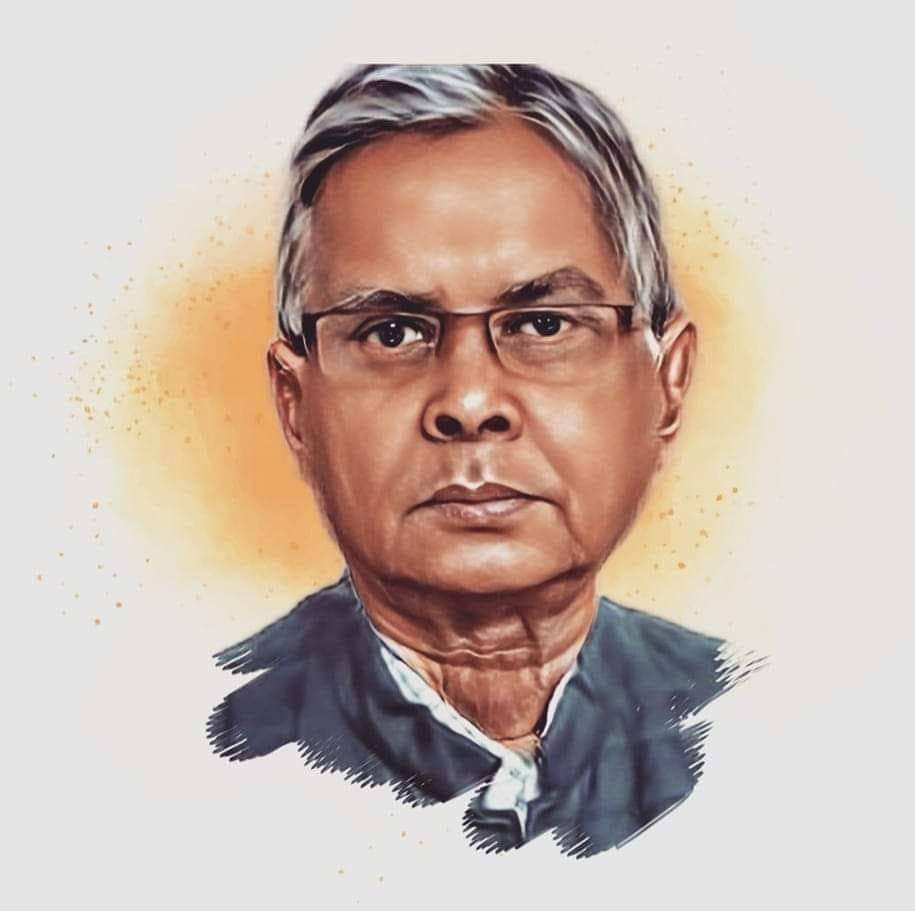
(An engineer by training and an international authority on standardization, Mr Anil Jauhri has been a cricket enthusiast since his college days.)