TEAM SELECTION OR GAME OF MUSICAL CHAIRS
20 Oct 2026

 A high drama was witnessed in West Bengal on 8 January 2026, when the Enforcement Directorate (ED) conducted simultaneous raids on the office of I-PAC in West Bengal and the residence of its head, Pratik Jain and state Chief Minister Mamata Banerjee personally rushing to the raid sites, leading to an ugly confrontation between the Centre and a state.
On the face value sordid episode should not have taken place as under normal circumstances any central agency is empowered to initiate action including raids but the way central agencies are being misused by the Modi government to undermine elected state governments especially those of the opposition parties Banerjee was left with no option to lead the battle from the front.
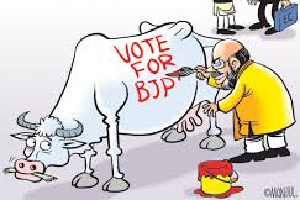
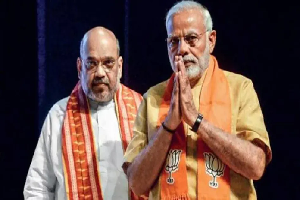
Timing of the raids raises many questions as the ED moved at a time when state assembly elections are to be held this year and the Modi-Shah duo has been claiming loud from roof top of a BJP victory and decimation of the TMC in the state. ED is being used to ensure political victory by defaming the TMC and bringing Banerjee under disrepute.
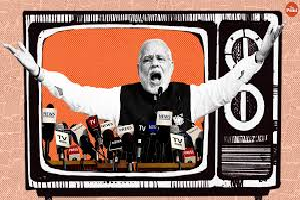
While the central government and its committed media is trying to project it an as an issue between the state administration and the central investigative agency, TMC supremo Banerjee’s intervention is the culmination of the way the BJP-led NDA government has been using central agencies like the ED , CBI, IT and constitutional office of Governors to create roadblocks and hurdles on the path of governance especially in the Non-NDA opposition ruled states.
Let's first have a glance over the sequence of events that led to the unprecedented ugly situation when a state had to challenge the might of the Centre.
The ED carried out searches at multiple locations, including I-PAC’s Salt Lake office and Jain’s Loudon Street residence in an ongoing probe linked to alleged money-laundering connected to a coal-smuggling case. The agency claimed the operation was part of a lawful investigation under the Prevention of Money Laundering Act but its claims don’t stand the test of a close scrutiny.
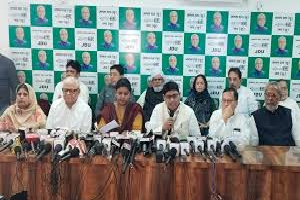
The Indian Political Action Committee (I-PAC), a high-profile political consultancy and the Trinamool Congress’s primary strategic partner described it as an “unfortunate day,” saying the action raises serious concerns and sets an "unsettling precedent".
It was a difficult and unfortunate day for a professional organisation like I-PAC. We believe this raises serious concerns and sets an unsettling precedent. Regardless, we have extended full cooperation and will continue to do so as required, engaging with the process in complete accordance and respect for the law," a statement issued by the firm said.
Founded over a decade ago, I-PAC said it was built on the belief that public life in India is strengthened when young professionals contribute to the democratic process in a non-partisan manner. The consultancy added they always upheld the highest standards of professional integrity and remained committed to continuing its work “unfazed and unperturbed,” guided by consistency and accountability.
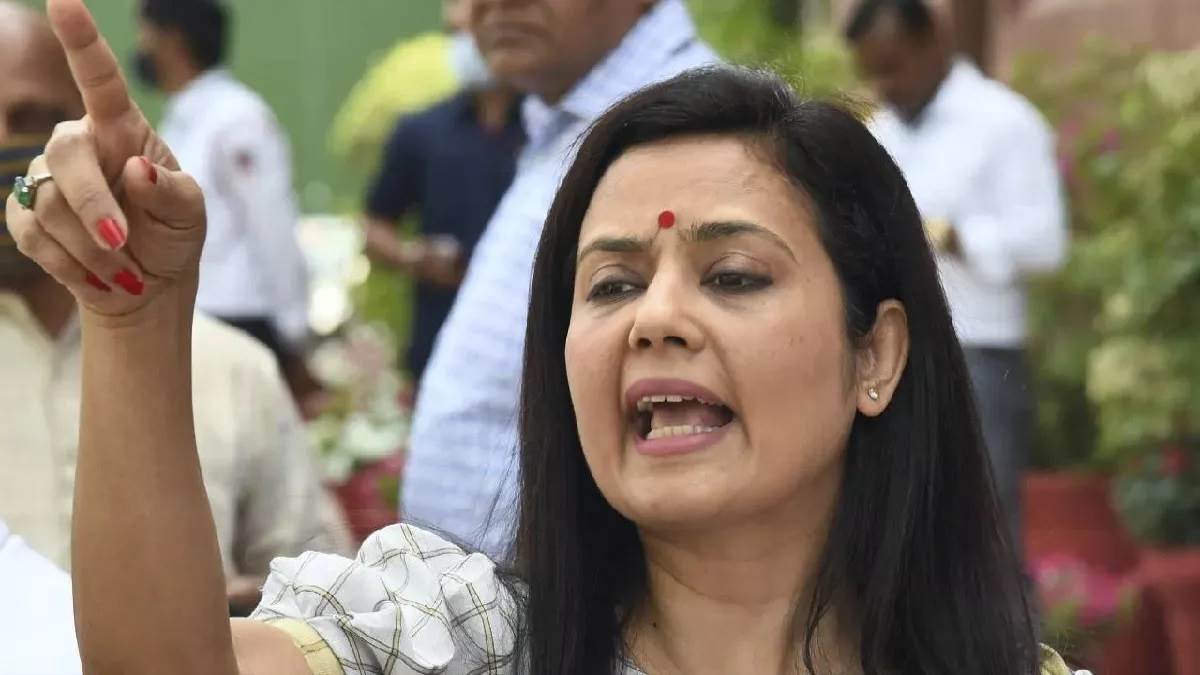
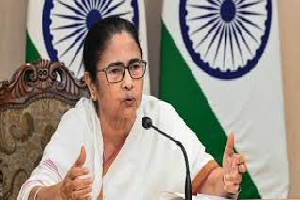
Banerjee made an unscheduled and highly charged appearance at the raid site, confronting ED personnel and state police amid the raids. The chief minister accused the central agency of overreach, alleging that it was attempting to seize internal documents and sensitive data linked to the Trinamool Congress’s election strategy ahead of the 2026 West Bengal Assembly elections.
Video clips from the scene showed Banerjee entering the premises and speaking to the media, vehemently denying any wrongdoing by the agency. She framed the action as politically motivated and was seen holding records she said belonged to her party, a move the ED has challenged in the Calcutta High Court, alleging obstruction of its inquiry.
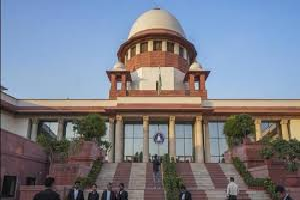
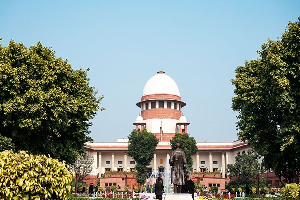
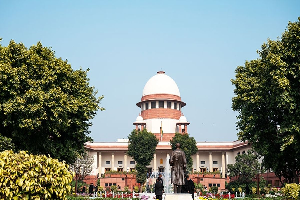
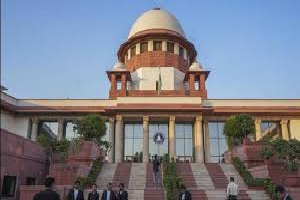
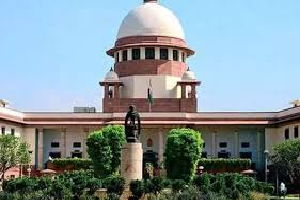
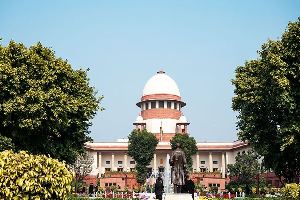
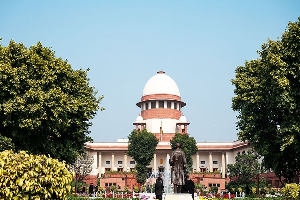
Meanwhile, the ED has filed a petition before the Supreme Court of India, seeking a Central Bureau of Investigation (CBI) probe against West Bengal Chief Minister Mamata Banerjee and senior state officials.
The agency alleges that Banerjee and others obstructed its search operations at the Kolkata offices of political consultancy firm I-PAC and its director Pratik Jain. The Supreme Court has not yet heard the matter. The case follows earlier proceedings in the Calcutta High Court, which were adjourned due to disruptions in the courtroom.
On the other hand, the West Bengal government has also filed a ‘caveat’ in the apex court which shall ensure that the court cannot pass an ex-parte order (orders without hearing both sides) regarding the searches conducted by the ED against I-PAC.
Surprisingly, the ED despite dual petitions in the apex court chose not to mention the matter for an urgent hearing before the Chief Justice of India on Monday the 12 January.
It is a common knowledge that the Modi-Shah duo is least concerned with constitutional properties and correctness but is determined to remain in power by all overt and covert means.
Taking a look at the ED’s record since Prime Minister Narendra Modi assumed power in 2014, only eight or 0.1 per cent of 5,892 cases filed by the Enforcement Directorate (ED) under the anti-money laundering law between January 1, 2015, and June 30, 2025, have led to convictions.
The data, presented to Parliament by the government, raises questions about the outcome and efficiency of investigations done under the Prevention of Money Laundering Act (PMLA).
Fifteen people were convicted in the eight cases, Minister of State for Finance Pankaj Chaudhary said in a written reply to Trinamool Congress MP Saket Gokhale.
The ED filed prosecution complaints in 1,398 cases, or 23 per cent of all the cases filed. This figure comprises 353 supplementary prosecution complaints.
In recent years, the ED has been increasingly using the PMLA to investigate cases against leaders from Opposition parties like the Congress, Aam Aadmi Party (AAP), Trinamool Congress, and others. It is shameful to note that ED cases against opposition leaders who later joined the BJP were either withdrawn or put in abeyance.
Many of these leaders had been arrested, questioned, and their assets attached over alleged financial irregularities.
They have accused the central government of misusing the ED and PMLA provisions for political vendetta, pointing to the low conviction rate under the law as evidence of selective and unsubstantiated targeting.
In the above scenario, Banerjees’ decision to fight back needs to be applauded and the country's courts should treat the issue as an attack on the federative principle of the Constitution.
Pushed back to wall, TMC supremo has shown courage of conviction that a strong Centre cannot be allowed to trample on the rights of the states.
**************