TEAM SELECTION OR GAME OF MUSICAL CHAIRS
20 Oct 2026

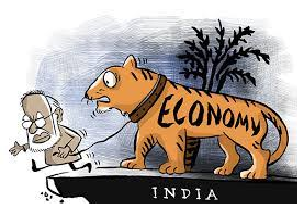
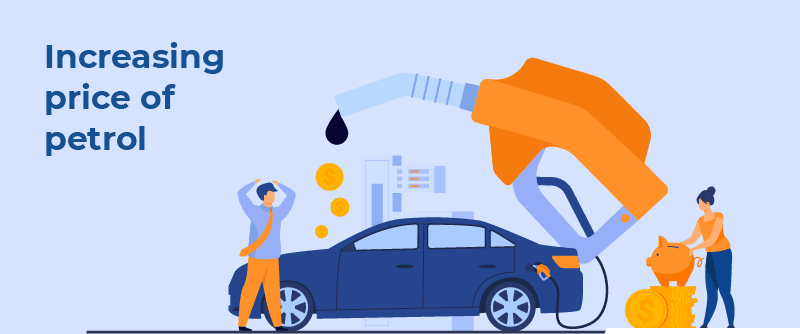
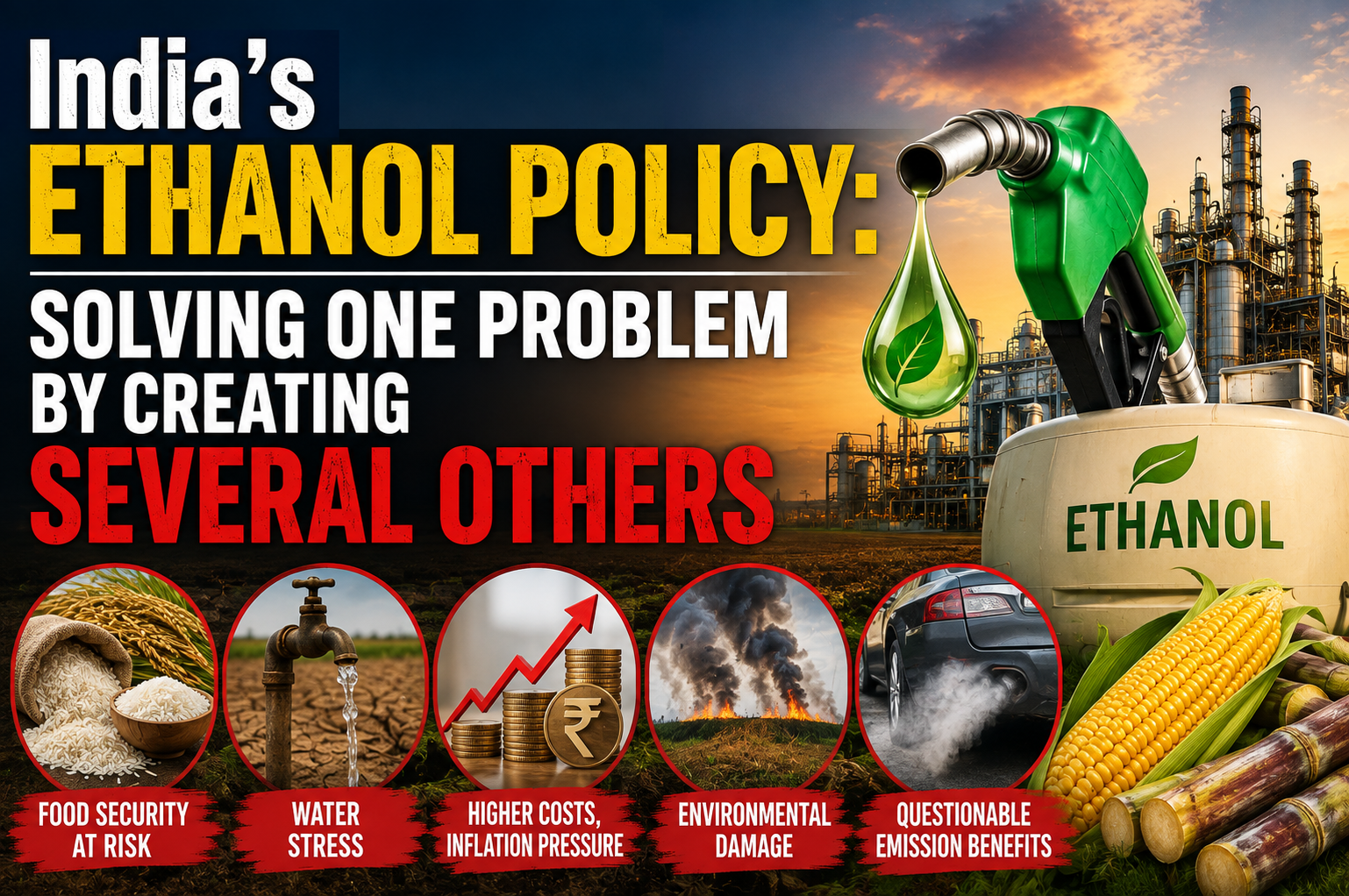
 India’s energy policy must be shaped by its own economic realities rather than by carbon targets designed for wealthy Western economies. As a rapidly developing nation with rising energy demand and lower per-capita income, India faces challenges very different from those of Europe or North America. Policies framed for post-industrial societies cannot simply be transplanted onto a country where affordable energy remains central to growth, poverty reduction and mobility.
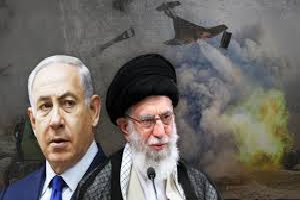
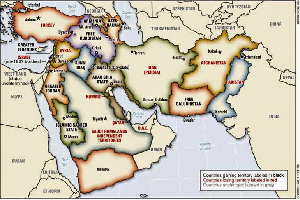
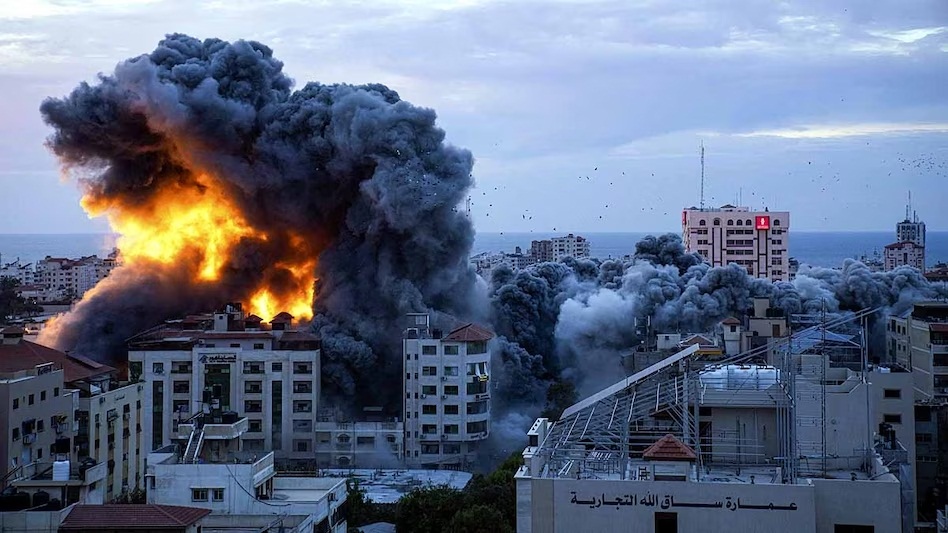
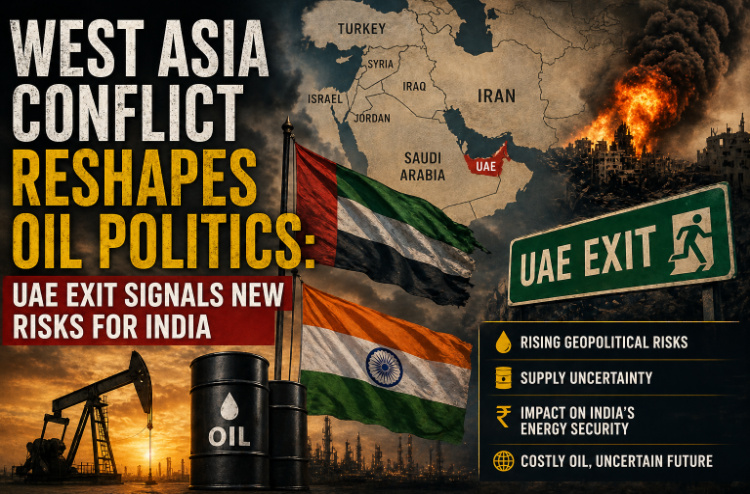
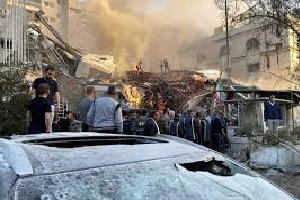
Recent geopolitical tensions in West Asia have once again highlighted India’s vulnerability. Conflicts involving regional powers and major global players raise fears of disruptions in oil supply chains. In anticipation of possible shocks, the government recently advised petroleum companies to prioritise domestic availability of LPG and refined fuels. Such precautionary measures raise a fundamental question: how long can India sustain its energy needs if global supply lines are interrupted?
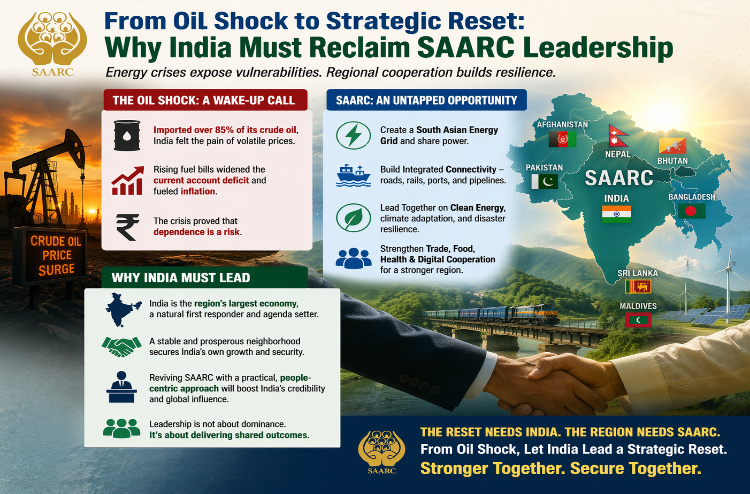
The answer reveals a structural weakness. India has only limited strategic reserves, with LPG storage estimated at roughly three weeks and crude oil reserves covering a little over two months of consumption. With nearly 90 percent of crude oil imported, the economy remains highly exposed to geopolitical instability and global price volatility. This dependence makes energy security one of the most critical strategic concerns for the country.
At the same time, India is increasingly being encouraged to adopt aggressive decarbonisation policies promoted by global agencies such as the International Energy Agency. While climate concerns are important, critics argue that these prescriptions often reflect the priorities of developed nations whose economic conditions differ significantly from India’s.
Countries like Germany and France built their prosperity over two centuries through heavy use of coal, oil and natural gas. Today they possess advanced infrastructure, stable electricity grids and relatively saturated energy demand. With high incomes and established industries, they can afford expensive transitions toward electric vehicles, battery storage and carbon taxes.
India’s situation is very different. The country is still expanding its industrial base, urban infrastructure and transportation networks. Millions of households and small businesses depend on affordable energy to sustain livelihoods. Imposing identical carbon constraints on a developing economy risks increasing costs for farmers, transporters and manufacturers while doing little to reduce global emissions.
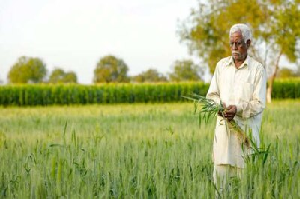
One area where this debate becomes particularly visible is diesel. Public discourse often portrays diesel as a major environmental culprit. Yet in India, diesel remains the backbone of economic activity. Nearly 70 percent of freight transport runs on diesel-powered trucks, while buses, tractors, irrigation pumps and construction equipment also rely heavily on the fuel. For agriculture and logistics — two pillars of the Indian economy — diesel is indispensable.
Modern diesel technology has also improved significantly. Since India adopted the Bharat Stage VI emission standards in 2020, sulphur levels in fuel have been reduced dramatically, bringing them close to European environmental standards. The shift lowered sulphur content from 50 parts per million to about 10 ppm. As a result, modern diesel engines emit far fewer pollutants than earlier generations and are significantly cleaner than many outdated petrol engines and small generators still in use.
Efficiency is another important factor. Diesel engines typically provide 10 to 15 percent better fuel efficiency than petrol engines. For heavy vehicles like trucks and buses, this translates directly into lower fuel consumption and reduced transportation costs. In a country where logistics expenses significantly influence the prices of food, construction materials and consumer goods, diesel efficiency acts as a natural buffer against inflation.
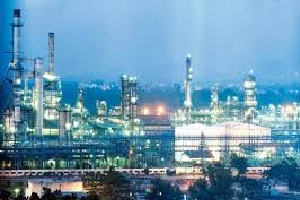
There is also a significant foreign-exchange dimension to the debate. India imports crude oil but refines it domestically through an extensive network of refineries. These refineries produce multiple petroleum products from each barrel of crude, including petrol, aviation fuel and diesel. Maximising the use of domestically refined diesel allows the economy to extract greater value from its import bill.
India’s refining industry is among the largest in the world. Major companies such as Indian Oil Corporation, Reliance Industries and Bharat Petroleum Corporation operate large and technologically advanced refineries. With a total refining capacity exceeding 250 million metric tonnes per year, India has emerged as a significant exporter of petroleum products. The country produces over 100 million metric tonnes of diesel annually — about 43 percent of its refinery output — and exports large volumes to markets across Asia, Africa and Europe.
Replacing this extensive infrastructure with battery-based systems overnight would be extremely difficult. Electric vehicles depend heavily on imported minerals such as lithium, cobalt and nickel. Large-scale electrification would require massive investments in battery manufacturing, charging networks and power generation capacity. In effect, the dependence on imported oil could simply be replaced by dependence on imported minerals.
Environmental concerns related to battery production also remain unresolved. Mining lithium and cobalt is resource-intensive and often linked to ecological damage. Recycling infrastructure for used batteries is still limited worldwide. These realities suggest that the transition toward cleaner energy must be gradual and technologically feasible rather than abrupt.
Energy transitions throughout history have succeeded only when alternatives become economically competitive and reliable. Until renewable energy and battery technologies become truly scalable and affordable for all sectors, fossil fuels will continue to play a central role in developing economies.
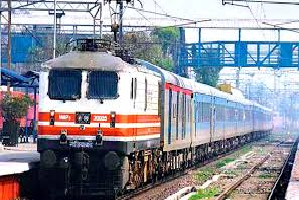
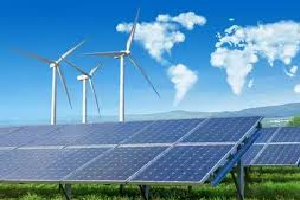
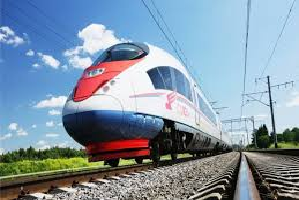
This does not mean that India should ignore environmental goals. Decarbonisation remains an important long-term objective. Electrification of railways, expansion of metro systems and adoption of renewable power are already making significant contributions toward reducing emissions. However, sectors such as freight transport, agriculture and heavy industry still require high-energy fuels like diesel.
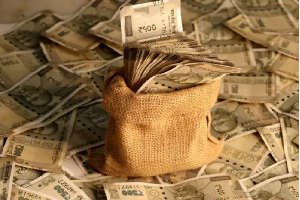
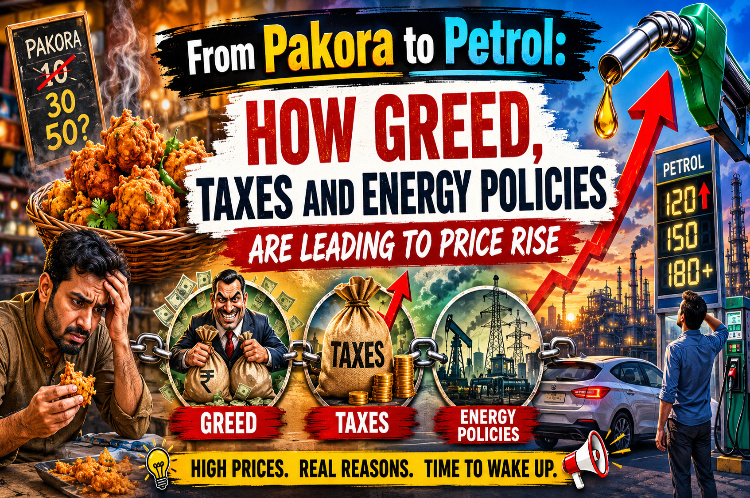
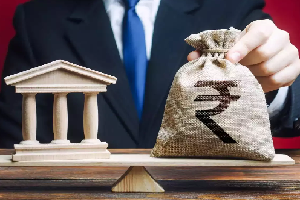
Global oil prices also add another layer of complexity. When benchmarks such as Brent crude cross $80 per barrel, India’s import bill rises sharply and puts pressure on the rupee. In such circumstances, maintaining efficient domestic refining and fuel utilisation becomes even more important for economic stability.
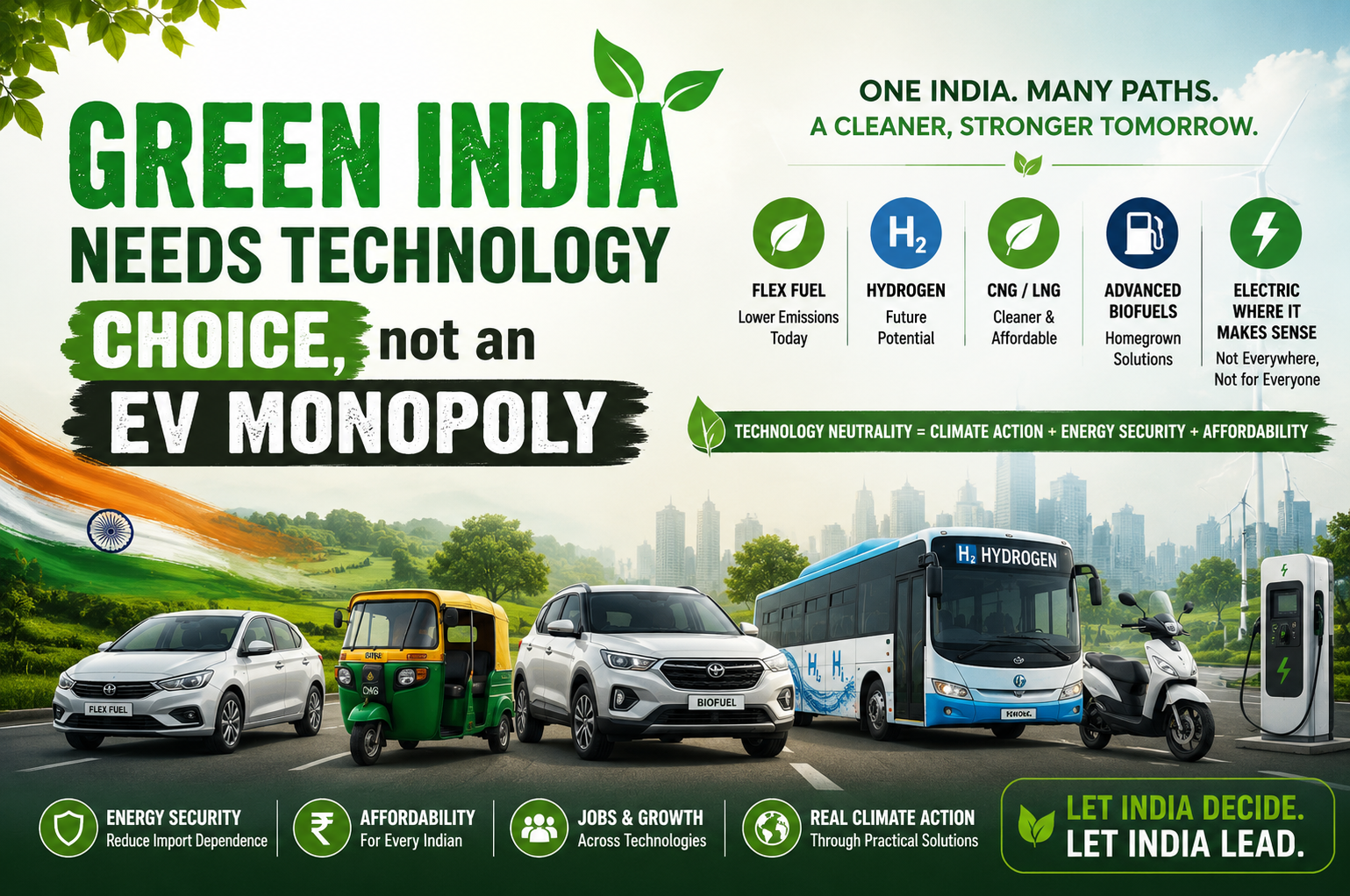
For India, the central principle should be pragmatic energy planning. Policies must prioritise affordability, reliability and national security while gradually expanding cleaner alternatives. Imported templates based on European economic structures cannot address the needs of a developing economy with vastly different demographic and industrial conditions.
Ultimately, energy policy must be India-centric. While fossil fuels may not represent the distant future of global energy systems, they remain essential for sustaining growth, mobility and industrial development in the present. India’s transition to cleaner energy should therefore be guided by domestic priorities and technological readiness rather than external pressure or ideological benchmarks.
(A senior journalist and media activist, Prof Shivaji Sarkar specialises in financial reporting.)
**************