SERIES WON BUT PROBLEMS REMAIN
2 Nov 2026
New Delhi I Monday I November 02, 2026
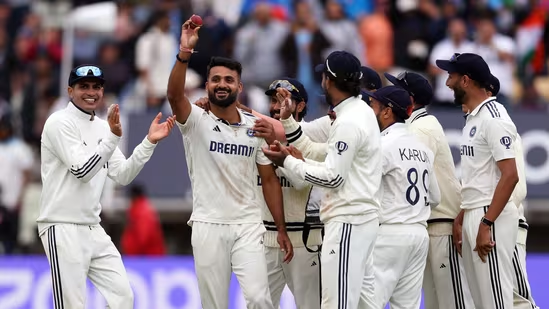
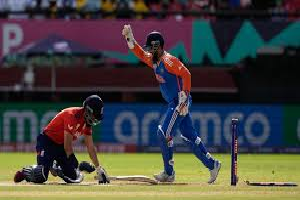
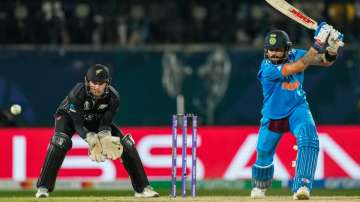
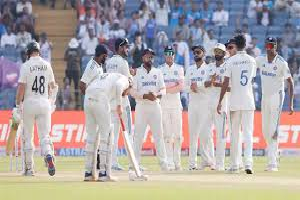
India have beaten New Zealand 3-2 in the T20 series in New Zealand which makes it appear that it was a close series. However, when we realise that India won the first three games, it looks less of an even contest. But a closer contest shows us that in the first T20, it was Naman Dhir’s assault which carried Indian across the line and in the second one, it was Tilak supported by Nitish Reddy who helped India win after the top order had collapsed. It was only in the third international at Wellington that India really played like champions and blew NZ away. Even though NZ made a highly competitive 198 batting first.
It would therefore be a fair assessment that while India won the series, problems remain mainly in bowling as well as of consistency in the top order.
One has to concede that the absence of Jasprit Bumrah in the playing squad takes the sting out of India’s bowling attack. He is pivotal to India’s ability to restrict the opposition be it Indian flat tracks or pace friendly conditions overseas.
NZ scored 225, 180, 198 and 259 batting first in first 4 internationals and scored 195 in 18 overs to beat India in the final international which indicates that Indian bowling was unable to contain them.
The absence of Bumrah and Pandya in the bowling attack hurt India. While selectors continue to ignore Shami unfairly even when Bumrah is not available, the return of Bhuvneshawar Kumar also did not work. The only one to come out with credit was Arshdeep Singh.
India still does not have a suitable replacement for Pandya – neither Shivam Dube not Nishith Reddy have been able to step into his shoes.
In any form of cricket, be it T20 or one dayers or Test matches, the best way to restrict the opposition batting is to take wickets. However, India’s current selection policy shows a distinct preference for bit players over specialists and therefore both Varun and Kuldeep Yadav were benched in preference to Naman Dhir and Reddy. While a team like Australia with a string of world class pace bowlers can afford to go in with just 4 specialist bowlers in the pace trio and Lyon with one all rounder to back up, this is not the case with India whose strength over the years has been spin even on foreign soil. The typical bowling line up in NZ should have been 3 pacers, 2 spinners and one pace allrounder but we chose to play with one specialist spinner less till the last game. The most likely wicket taker, Kuldeep Yadav, was reduced to a passenger.
The constant changing and chopping in the pace department is also not helping India’s cause. Other than Bumrah and Arshdeep who are certainties, there is a game of musical chairs on with Bhuvneshwar, Siraj, Prasidh, Rana, Prince Yadav, Mayank Yadav, Yash Thakur, and Ashok Sharma being inducted into the team at various times in the current calender year itself. Not counting Gurnoor Brar and Auqib Nabi Dar who are also in fray in the white ball format.
In the spin department, the only issue seems to be whether to rely on specialists or bit players like Sundar and Dhir. The case for specialists is stronger given that we were unable to contain NZ bowling in the entire series.
The pace all rounder slot is also an issue in overseas conditions. If Pandya is not there, we have no options – both Dube and Reddy are not yet there. Given that both Axar and Naman Dhir are also all rounders, should we go with an additional seamer rather than pace all rounder while having batting upto number 7 rather than 8. This is an option which could be tried to bolster bowling.
Let us look now at batting which faltered in NZ at times.
India is typically playing with 5 batters – Samson, Abhishek, Ishan, Iyer and Tilak. On paper, it looks settled line up but the fact remains it is not consistently delivering in overseas conditions. The selectors have also placed themselves in a quandary with Vaibhav who, if selected in playing 11, forces Samson down the order where Samson is distinctly not comfortable. This situation also arises because Vaibhav is carried as the only back up batter in the squad of 16. Ideally the back up batter should be a middle order one because if either of Samson or Abhishek is unable to play, Ishan can easily take the opening slot. If the back up batter is some one like Shubman Gill, who does deserve to be in the 16 anyway, he offers flexibility of being able to play both in the middle order as well as an opener.
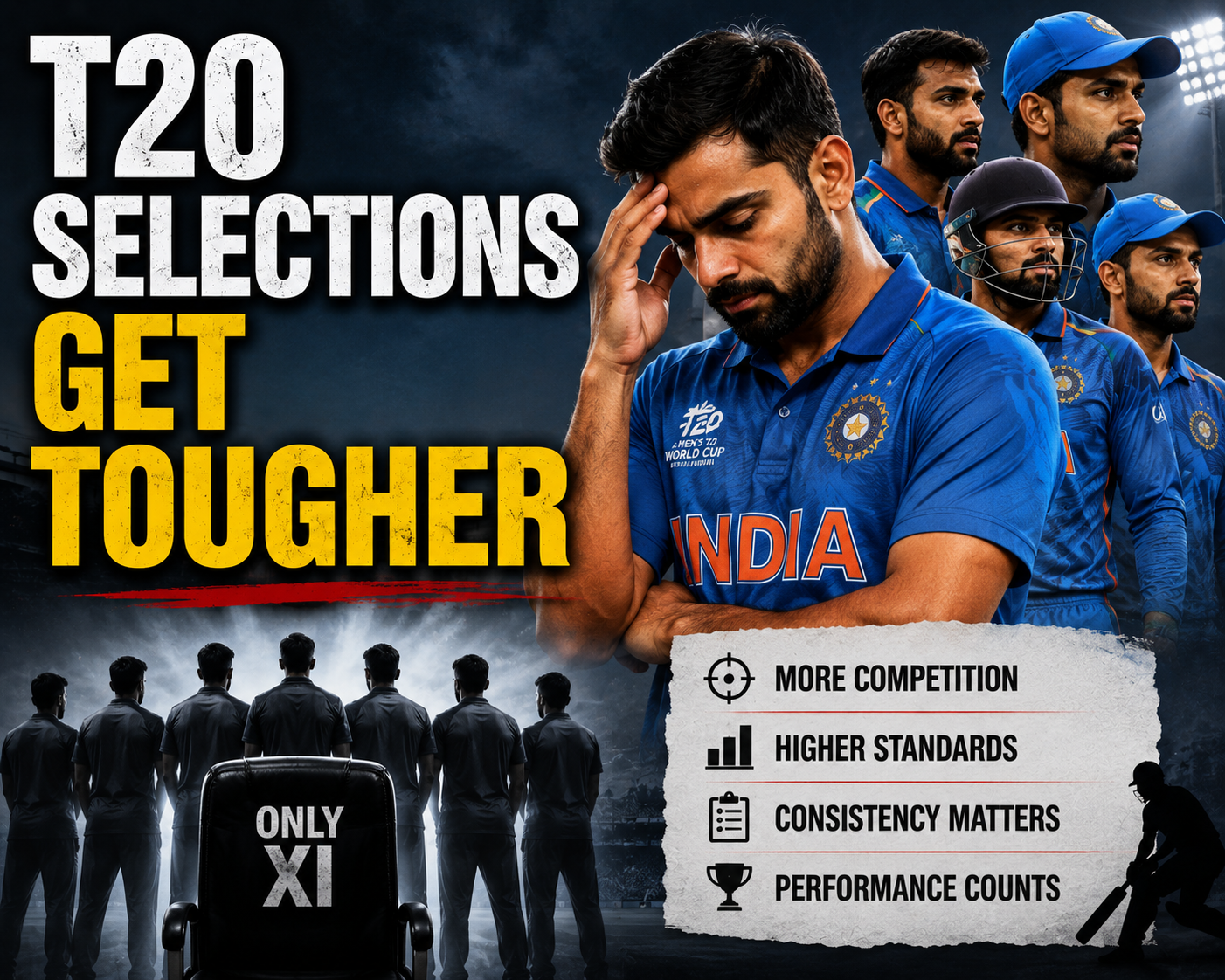
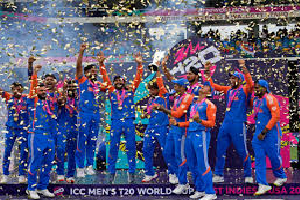
Despite the wins that we may have recorded, these questions are important since the next T20 World Cup in 2028 is co-hosted by Australia and New Zealand in obviously pace friendly conditions. The task the selectors have in front of them therefore is cut out as India are the defending champions. The strategy going forward should be to prepare a team for 2028 defence.
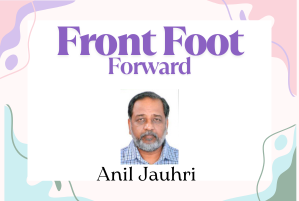
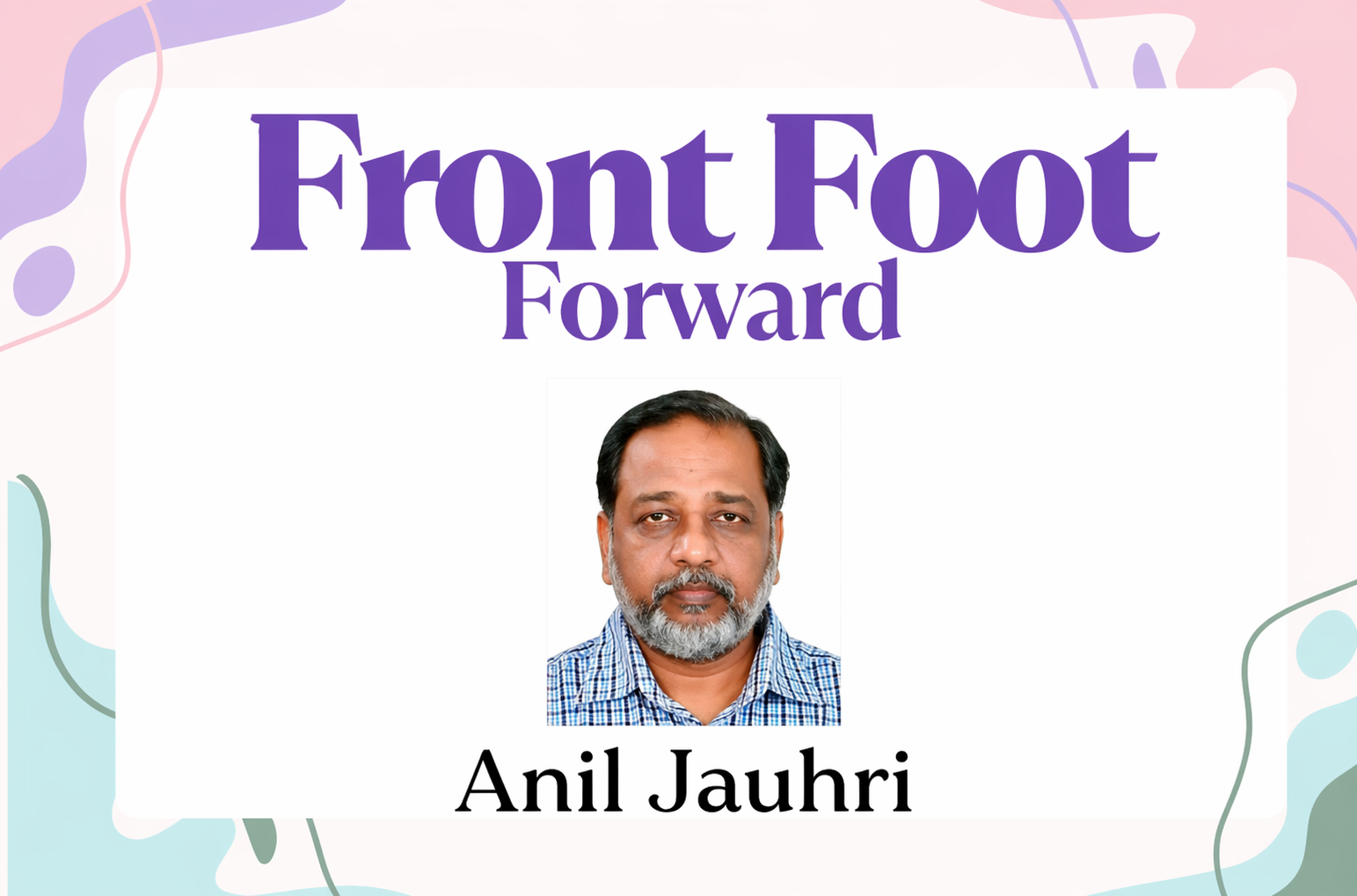
(A cricket buff from his student days, Anil Jauhri is an engineer by training and an international authority on standardisation)