Amitabh Srivastava
New Delhi I Wednesday I November 18, 2026
Most journalists in India may not be aware who their Information and Broadcasting Minister has been in the last 12 years, but they do celebrate the National Press Day as if their life depends on it.
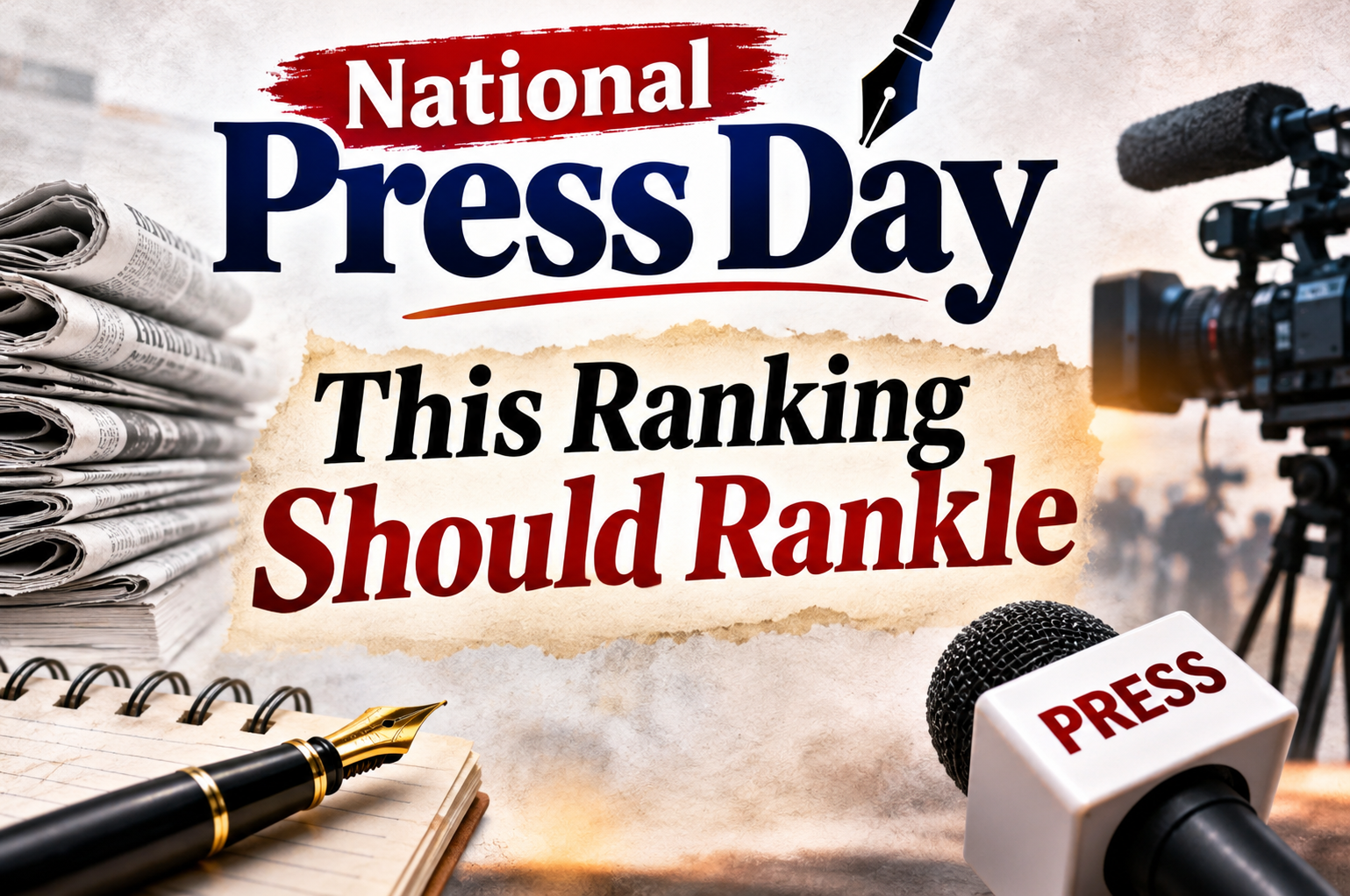
November 16 is celebrated as the National Press Day in the country because the Press Council of India was established on November 16,1966 to safeguard the “freedom of press” and maintain “high ethical standards”, says AI if you ask Google.
And as usual, the information comes with a rider “AI can make mistakes so double check responses”.
From whom?
Oh yes. Of course the PIB.
How could I forget that?
People like me who have grown up from school magazine editors in 1966 to Journalists of five decades by 2026, know how toothless the Press Council of India has been over these years.
No wonder, today India ranks at number 157 in the World Press Freedom Index among 180 countries ranked by the Reporters Without Borders, way behind Nepal(87), The Maldives (108), Sri Lanka (134), Bhutan (150), Bangladesh (152) and even our friendly neighborhood Pakistan (153).
Ever since business honchos in India started taking up direct ownership of media outlets it is no surprise that the concept of journalism has changed drastically.
The theme of this year's National Press Day amply reflects this- “Journalism: Populist or Responsible”.
Although we all know the answer, are we seriously concerned?
Seriously?
It has become a fashion to openly make statements like “I have not watched news on TV for the last 10 years.”
But has any journalist worth his salt admitted that he does not own a TV at home, actually multiple TV sets.
So what do they watch, if not news?
Cricket matches, reality shows or OTT series?
And how does closing one's eyes and not watching news solve the problem of biased and branded news?
Can journalists afford to be so casual about the profession that is their bread and butter as they proclaim for decades?
In some recent live programs I have heard a lot of senior journalists including the likes of Rajdeep Sardesai and Vinod Sharma admit that in today's times the print media still carries more credibility than the electronic media.
But at the same time they all talk about pressures on them to tell the audience that they were doing a great favour by sticking to journalism by risking their necks.
Then what about people like Rajat Sharma, who started with print media and is now the owner of a news channel.
Nobody is bold enough to admit selling their soul to the Devil.
Except of course Karan Thapar who calls himself ‘The Devil's Advocate’. But he remains as essential outsider ever since he landed in India more than 5 decades back,having been trained by the BBC
However the good news is that despite the confusions and the compromises that the veterans talk about, the basic news reporter in India knows his job.
This became amply clear by the way the media both electronic and print covered the recent protests at Jantar Mantar first in June/July and then in October 2026.
The Delhi Police under a new Police Commissioner Anurag Kumar who replaced Satish Golcha overnight on July 17,2026 was under clear instructions to remind everyone that ‘Press Freedom’ was missing from the Indian Constitution, for whatever reason.
Actually across the world it's only the USA which mentions Freedom of Press and protects it through its Constitution drafted 250 years back.
The First Amendment to the American Constitution reads,”Congress shall make no law respecting an establishment of religion, or prohibiting the free exercise thereof; or abridging the freedom of speech,or of the press, or the right of the people peacefully to assemble, and to petition the government for a redress of grievances’.
It's another matter that the Second Amendment in the American Constitution gives every citizen the right to own a whengun. This was granted under the circumstances that existed when the US became free but since then, despite the frequent incidents of shootings in school and college campuses the gun lobby is so strong that whichever party in power, no one can control them.
But talking of the media coverage this year, we all saw how brutally the police treated the media personnel through lathis, pellet guns and something that had never happened in Delhi, when women journalists were molested by senior level officers on camera.
Many youngsters who related their stories at the Press Club of India said the police officers were asking them to show their PIB cards as if PIB accredited journalists are BJP members.
On the other hand, on both occasions some hoodlums in plain clothes were assisting the police by beating up protesters and chasing them away.
With so much being written against social media and influencers, on both occasions it is these social media journalists who captured these atrocities from close quarters.
Many of them were detained for hours in police stations but had to be released because the authorities did not know what they would say before a magistrate if they were arrested.
In contrast, it's a huge shame that despite the media in India having a massive presence with around 2.3 lakh newspapers and magazines according to RNI figures, far from apologizing for their actions and removing the offending ACP the Delhi Police has lodged FIRs against the women journalists under various acts.
And no journalist has resigned in protest!
Comments (0)
Share your thoughts about this news. Your comment will appear after admin approval.